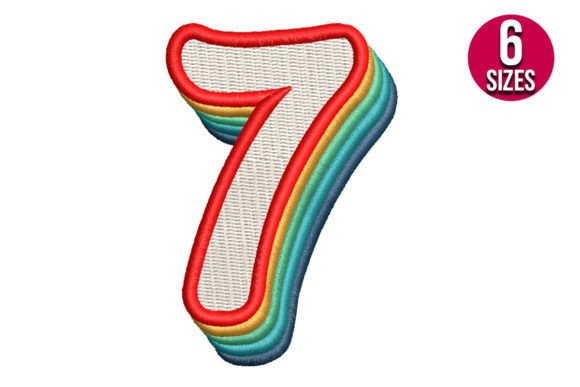
Retro Number Seven
As an experienced embroidery designer, I’ve seen countless machine embroidery designs come and go. But one that stands out for its versatility and nostalgic charm is Retro Number Seven. This design has the potential to become a staple in your craft fair product lineup, especially if you're targeting birthdays or general handmade markets.
First Impressions of Retro Number Seven
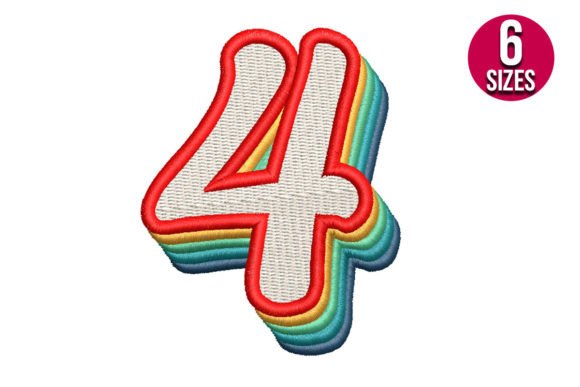
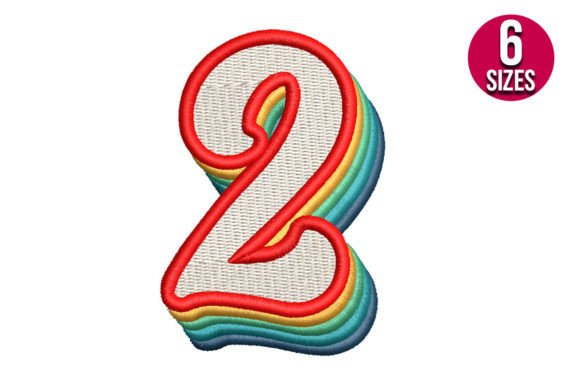
From the moment you lay eyes on Retro Number Seven, it exudes a bold, retro vibe. The number seven is stylized with a vintage flair—think bold lines, clean curves, and a slightly faded aesthetic that feels both modern and nostalgic. It’s not overly cute or too rustic; instead, it strikes a balance between playful and premium. This makes it ideal for a wide range of products, from casual tote bags to more refined home decor items.
The design feels like it could fit into a farmhouse kitchen, a birthday party setup, or even a trendy boutique. Its simplicity allows it to be adaptable without losing its visual impact. Whether you’re making a tea towel embroidery or an apron embroidery, Retro Number Seven holds its own without overwhelming the fabric.
Where Retro Number Seven Shines
Retro Number Seven works best as a focal point on larger surfaces. On a tote bag design, it commands attention and adds a unique touch that customers will notice. On embroidered patches, it can be used as a small but meaningful detail that elevates a jacket or bag. For pillow covers, it adds a decorative element that feels personal and handmade.
This design also excels as a market bag or handmade gift. When displayed on a booth table, it draws the eye and invites questions. Customers often gravitate toward pieces that have a story or a unique visual identity, and Retro Number Seven delivers that with ease.
For Etsy sellers and small shop product creators, Retro Number Seven is a strong candidate for printable mockups and design assets. It’s easy to photograph, and when placed on different fabrics, it maintains its clarity and appeal. This makes it a valuable addition to your digital embroidery file collection.
Practical Selling and Production Points
One of the key advantages of Retro Number Seven is its clarity at a glance. It doesn’t require close inspection to appreciate its design. This is important for craft fair products where customers may only spend a few seconds deciding whether to engage with your item.
It works well as both a small accent and a large focal piece. You can scale it up for a statement piece or down for a subtle detail. This flexibility means you can use it across multiple product types without repeating the same look too much.
Photographing Retro Number Seven for online listings is straightforward. The design’s contrast and shape make it stand out against most fabrics. Just be sure to choose thread colors that complement the background fabric for maximum impact.
In terms of production, Retro Number Seven should be manageable for batch work. However, keep an eye on stitch density and hoop size to ensure it doesn’t become too dense or difficult to hoop. If you're using it on curved surfaces like caps, test it first to see how it sits on the fabric.
Careful-Use Notes
While Retro Number Seven is generally easy to work with, there are a few things to consider. If the design includes tiny details or small lettering, make sure to test it on thick or textured fabrics like towels or denim. These materials can sometimes affect the clarity of the design.
On dark fabrics, ensure that the thread colors provide enough contrast. A light-colored thread on a black background might not show up as well as expected. Also, check that the design isn’t too small for the intended product—some elements may get lost when scaled down.
When working with stabilizer, use a medium-weight option to prevent puckering, especially on stretchy or delicate fabrics. This ensures that Retro Number Seven looks crisp and professional in the final finished product.
Impact on Visual Appeal and Customer Engagement
Retro Number Seven brings a sense of nostalgia and personality to any product it’s applied to. It helps create a cohesive brand identity, especially if you're targeting a retro or vintage-themed market. For commercial embroidery projects, this design can serve as a signature element that sets your work apart.
On a craft fair booth, Retro Number Seven can be used as a sample or a display piece to draw attention. It also pairs well with other retro-inspired designs, creating a visually appealing arrangement that encourages customers to explore more.
As a small shop product, Retro Number Seven offers great value. It’s versatile, easy to produce, and has broad appeal. Whether you’re selling on Etsy or at a local market, it’s a design that customers are likely to remember and return for.
Embroidery Designer Notes
If you're considering adding Retro Number Seven to your collection, here are a few tips: always test the embroidery file on scrap fabric before committing to a full production run. Check the thread contrast and ensure that the spacing between elements is consistent. Confirm the hoop size required and adjust your stabilizer accordingly.
Creating at least one real mockup is essential. Seeing how the design looks on actual fabric can reveal issues that aren’t obvious on a screen. Compare different fabric textures to find the best match for your target audience.
Finally, before selling any commercial embroidery products featuring Retro Number Seven, double-check the licensing terms. Make sure you have the right to sell the finished item, especially if you’re planning to list it on platforms like Etsy or at a craft fair.